Practical guide
Direct UV printing on acrylic: clear signs, personal names and event displays
Explore direct UV printing on acrylic for wall signs, nameplates and occasion displays. Choose clear, white or frosted material and confirm printing, support and mounting.
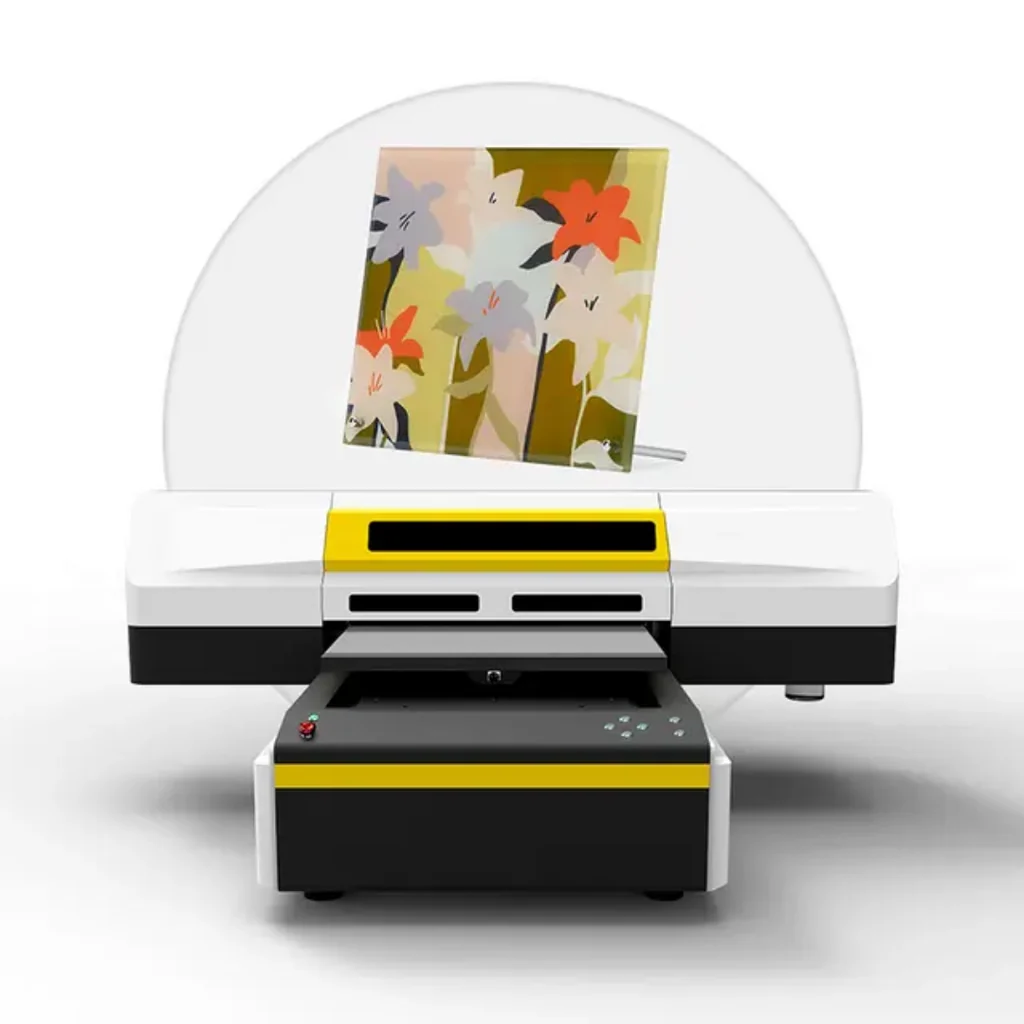
Acrylic can turn a simple design into a clean office sign, a personal nameplate or an event display. The important choice is the finished object: something mounted on a wall, hanging from a door or standing on a base. Once that use is clear, the team can help specify the material, print and finishing that belong in the same quotation.
Understand the direct-print option
Direct UV printing applies the artwork to a suitable acrylic face rather than placing a separate label on it. Mimaki lists acrylic welcome boards and stands among flatbed UV applications. This is a general process example; the exact sheet, ink, preparation and finish must suit the job you order. Manufacturer application examples
For a wall sign, you may want a printed name and logo on a clear panel. For an occasion piece, the artwork may be a personal name, date or decorative illustration. Decide where the piece will be viewed and how it will be supported before judging only the colour of a screen preview. A clear panel can look quite different against a white wall and a dark background.
Choose clear, white or frosted acrylic
Clear acrylic allows the background to contribute to the appearance. White acrylic provides an opaque base. Frosted acrylic gives a different translucent look, with the exact grade and finish confirmed by the team. Ask to see a material sample if the finish is central to the project. The colour name alone does not define the final appearance of every supplier’s sheet.
On transparent material, discuss whether a white printed layer is needed for contrast and how the artwork should be viewed. Front-face and reverse-face approaches require different artwork preparation; mirrored production files should be prepared for the chosen method, not guessed by the customer. The team confirms the intended viewing face and the approved result before printing.
Printed artwork or separate acrylic letters?
A printed sign and a sign with raised acrylic letters are different constructions. Printing can reproduce an image or design on the face. Separate letters add another physical layer that must be cut, aligned and fixed. You may prefer one approach or a combination, but they should not be treated as interchangeable price options without reviewing the design and assembly.
For a personal nameplate, consider the visibility of fine details and the size of the lettering. For a company sign, keep the important information easy to read from the expected distance. Avoid assuming that a photograph proves the thickness, mounting or exact finish of a finished piece. Use the image to explain the style, then confirm the actual specification.
Include the support and finishing
Wall panels with spacers need the correct holes, edge distances and mounting arrangement. A freestanding event piece needs a base or other suitable support. Hanging pieces need a considered hanging point. The thickness, cut shape and finishing should serve those needs. Share whether the piece will be indoors or outdoors and describe the proposed location, especially where access or mounting conditions affect the work.
Adhesion is checked on the actual material. Roland’s primer guidance notes that performance varies and test printing is necessary. A material sample can help confirm the chosen approach before a larger order. Manufacturer preparation guidance Do not substitute a cleaning or primer recipe found online for the approved process used for your job.
Confirm the complete order
Your quotation should identify the acrylic type, selected size, quantity, printed face and finish, plus any base, spacers, letters or mounting work. Confirm whether the team supplies the material or prints a compatible piece you bring. Installation, delivery and collection are separate choices to agree. These details help you compare complete proposals rather than a sheet-only price with a finished sign.
Do I need a logo to ask for a price?
You can begin with the product style, size and quantity. A personal message, shape or name may be the entire design. The team will explain which artwork details and sample approvals are needed before the final production quotation is accepted.
Plan your project with Lamasatna
Choose the closest product or use case, enter the quantity you need, and tell our team when and where it will be used. Ask Lamasatna can help confirm the material, artwork, sample and complete scope before production.
Sources and references
- mimaki.com/application/glass-panel/ · Reviewed 2026-11-04
- downloadcenter.rolanddg.com/contents/manuals/LO-640_USE_EN/qyd1700786817898.html · Reviewed 2026-11-04