Practical guide
Starting a T-shirt business in the UAE: test a small DTF collection
Start with good blank shirts, outsourced DTF transfers and a real sample. Compare complete production costs before investing in printing equipment.
A first T-shirt collection is a test of your design, fit and customers. You can run that test with ready-made blank shirts and outsourced DTF transfers before taking on a printer, maintenance and a room full of stock.
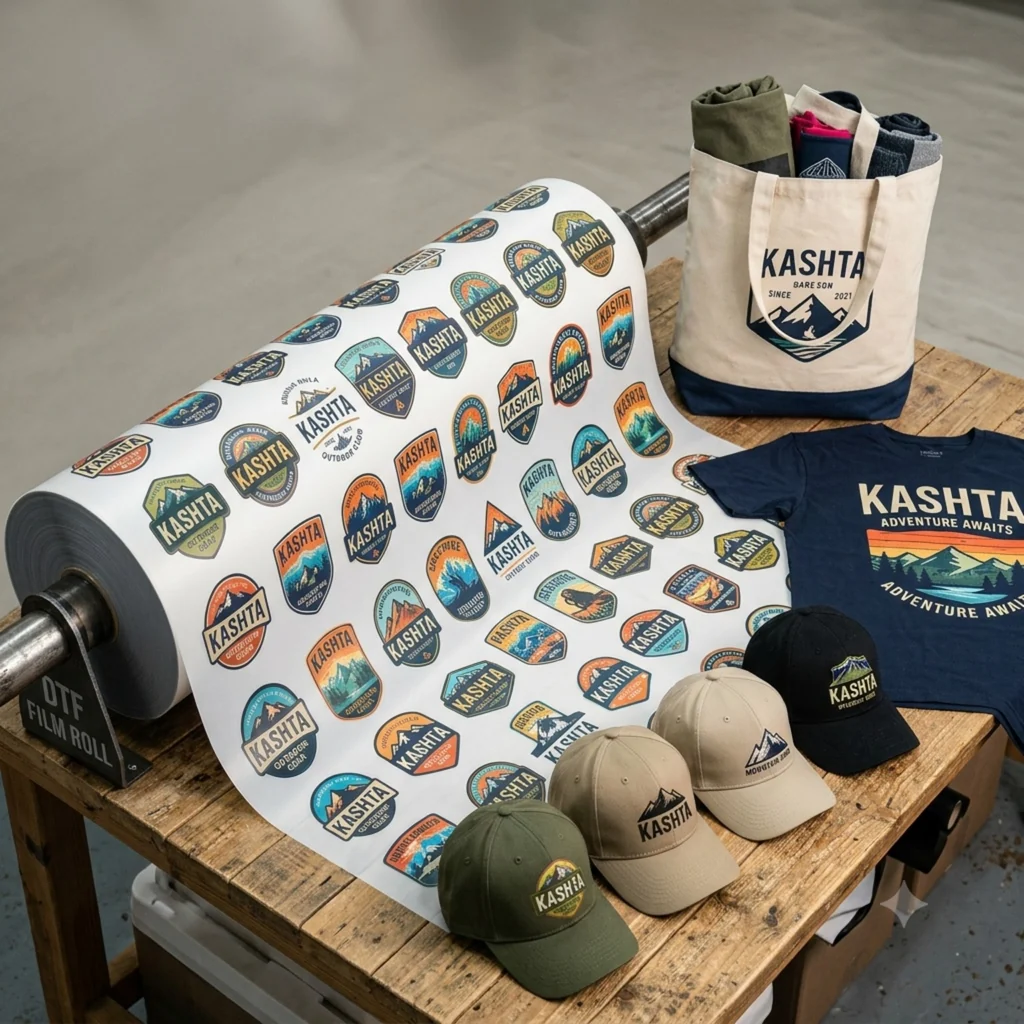
Start with one shirt you would buy yourself
Choose a specific wearer and use: a relaxed everyday shirt, a staff uniform, a sports-club design or an event keepsake. Pick a blank whose cut, fabric, stitching and size consistency suit that use. A low blank price is little help if customers dislike the fit.
Keep the first range manageable. Two designs, two shirt colours and five sizes create twenty variants before a repeat sale. One reliable blank style and one or two colours make it easier to learn which design and sizes people actually want.
Choose how much production you want to own
| Route | What you arrange | What to compare |
|---|---|---|
| Order finished printed shirts | The provider supplies or receives the blanks, prints and applies the design. | Finished-shirt price, sample, size consistency and delivery. |
| Buy DTF transfers and arrange pressing | You source blanks and buy printed transfers. A suitable heat press and an operator are still needed to apply them. | Transfers, application, blank quality, rejects and your time. |
| Print transfers in-house | You own the printing process as well as application. | Equipment, consumables, maintenance, workspace and dependable order volume. |
For a first small collection, request comparable quotes for the first two routes. Outsourcing can keep the initial equipment commitment smaller. It is not automatically the cheapest route for every quantity or design.
DTF is the fabric route; UV DTF serves a different job
Textile DTF transfers are printed on film and applied to a compatible garment with controlled heat and pressure. UV DTF transfers are intended for suitable object surfaces, rather than being the normal T-shirt heat-transfer product. Make the distinction clear when ordering. Our DTF and UV DTF comparison explains the difference.
Give the printer the exact fabric composition and shirt colour. Transfer suppliers publish their own application settings; use the instructions for the actual transfer you receive. Do not borrow temperature, pressing time or peel instructions from an unrelated brand or social-media video.
Approve a real sample before the collection
- Print at the intended size. Hold the design against the smallest and largest shirt sizes you plan to sell. A design that looks balanced on one size can feel oversized on another.
- Try the garment on. Check placement, comfort and the feel of large solid printed areas.
- Check the finished application. Look for lifting edges, unwanted film, uneven colour and marks from pressing. Ask the applicator to correct the process before repeating it.
- Wash the sample using the approved care instructions. Inspect both the print and the shirt. Keep the agreed sample and settings as the reference for the batch.
One successful sample does not remove the need for production checks. Inspect the first shirts of a batch and keep an allowance for setup and rejects in your plan.
Price a finished shirt, not just a transfer
Build a simple cost sheet using actual quotations. Include the blank shirt and inbound delivery, its share of the printed transfer, application, packaging, any delivery you absorb, selling fees and an allowance for samples or rejects. Allow for your own work too. The difference between a selling price and the transfer price is not your profit.
Sheet layout can change the transfer cost per design. Send the finished width and height of every design, quantities and whether each shirt has a front print, a back print or both. Let the printer confirm the usable layout and current rate before promising a retail price.
What to send Lamasatna
- Your artwork and its final printed width × height in centimetres.
- The quantity by shirt size, fabric composition and colour.
- Whether you will supply the ready-made shirts and whether you need transfer printing only or application as well.
- Your UAE delivery city and the date you need the finished items.
DTF transfer printing does not include the blank shirts. Application is a separate service when requested and confirmed. Use original artwork or artwork you have permission to reproduce, and check the artwork preparation checklist before sending files.
Discuss a small T-shirt batch with Lamasatna
Two questions worth asking
Can I start without buying a printer?
Yes. You can buy ready-made blanks and outsource transfer printing and application, or buy a finished printing service. Compare the complete costs and approve a sample before ordering a batch.
Can I use a household iron instead?
Do not assume it will provide the controlled pressure and temperature required by your transfer. Ask for the actual application instructions and use a suitable press or a confirmed application service.
Technical references
STAHLS’ product-specific transfer application instructions illustrate why settings depend on the transfer system. These are manufacturer examples, not the settings for a Lamasatna order. The small-batch range and costing approach above are practical planning suggestions, rather than a promise of demand or profit.
Sources and references
- lamasatna.com/ask/ · Reviewed 2026-11-04
- custom.stahls.co.uk/page/heat-transfer-application-instructions · Reviewed 2026-11-04